Modern smartphones now last noticeably longer between charges, and the reasons go far beyond just bigger batteries. Phone makers combine new battery chemistry, efficient hardware, and smarter software to stretch every milliamp-hour. Silicon-carbon and other high-density cells pack more energy into the same slim space, while chipsets and displays sip less power than before. AI quietly studies how people use their phones and tweaks performance in real time to cut waste. Charging systems also protect battery health for more years of use. Together, these advances explain why recent phones stay powered longer through busy days.
Traditional lithium-ion batteries rely heavily on graphite anodes, which limit how much energy a cell can store. Silicon-carbon anodes change that balance. By blending silicon with carbon, battery makers increase energy density without making batteries much bigger or thicker. This means a phone can hold more charge in the same size, directly boosting screen-on time, as seen in devices like the HONOR X9. Brands already ship devices with 4,500–5,500 mAh batteries that feel lighter and slimmer than older models. Engineers also refine electrolyte formulas and separators to allow faster ion movement while keeping cells stable. These improvements support quicker charging speeds and better longevity, with less capacity loss over hundreds of cycles.
Battery research pushes toward solid-state and graphene-based designs that promise even longer life. Solid-state batteries replace liquid electrolytes with solid materials, which reduces leakage risk and improves safety. This structure can allow higher energy density and faster charging with less heat, both ideal for smartphones. Graphene-enhanced batteries use ultra-thin carbon layers to improve conductivity and heat dissipation. That helps batteries charge faster and run cooler, which slows long-term degradation. While full solid-state phone batteries are still emerging, early hybrid designs already appear in prototypes and premium devices. As these technologies mature, users can expect thinner phones, longer runtimes, and safer high-wattage charging.
AI-based power management now plays a key role in battery life. The operating system constantly monitors how often people open apps, when they check messages, and which services they rarely touch. Using this behavior data, AI models predict what the user will do next and allocate resources accordingly. They close or freeze background apps that drain power, limit wake-ups for notifications, and downgrade performance when full speed is unnecessary. Camera, GPS, and 5G radios also benefit from smarter scheduling, so they only run at peak power when needed. This targeted control cuts waste without forcing users to micro-manage settings every day.
Modern phones use adaptive charging to protect battery health and reduce unnecessary stress. The system learns typical charging habits, such as plugging in overnight, then slows the charge near 80% and finishes closer to wake-up time. This approach limits the hours the battery stays at 100%, which helps reduce wear. Intelligent power-saving features also kick in automatically when the battery gets low. Phones can lower screen brightness, restrict high-refresh displays, and scale down CPU speed while keeping core functions responsive. Users still have manual control through power modes, but the phone often makes smart choices first, balancing performance and longevity.
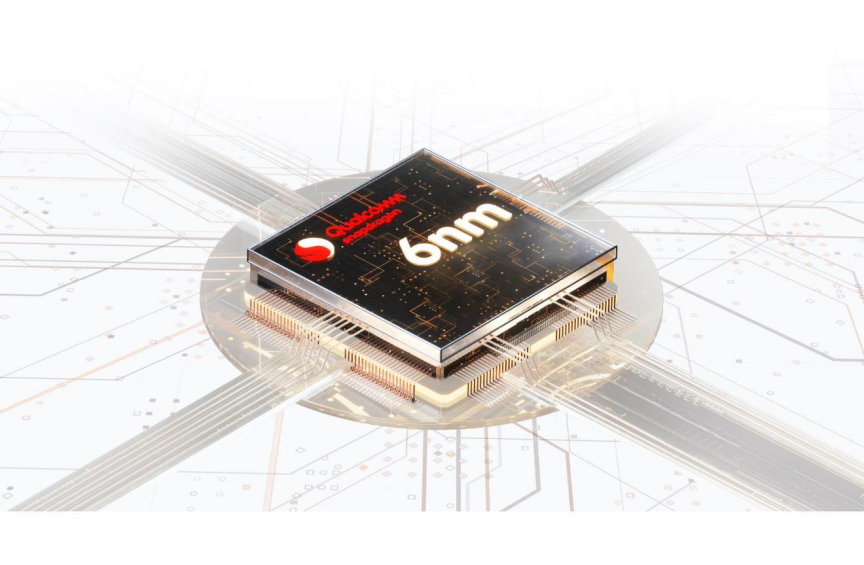
Chipset designers now focus heavily on performance per watt, not just raw speed. New processors use advanced manufacturing nodes, such as 4 nm and below, to pack more transistors into smaller spaces while cutting leakage. Big and small CPU cores handle different tasks so light jobs do not waste power on high-performance cores. GPUs and AI accelerators also come tuned for efficiency when rendering games or processing photos. Displays make another huge difference. OLED and LTPO panels allow dynamic refresh rates, dropping from 120 Hz to 1–10 Hz for static content. Lower refresh rates and better backlight control slash power use during everyday scrolling and reading.
Heat is the enemy of both efficiency and long-term battery health. New smartphones tackle this with improved thermal management systems. Larger vapor chambers, graphite sheets, and copper heat pipes spread heat away from the battery and chipset. As a result, components can run at optimal speeds without triggering severe throttling. Better power distribution designs also reduce energy lost as heat in internal circuits. Engineers carefully route power rails and add efficient voltage regulators to keep conversion losses low. Together, these changes mean less wasted energy, cooler operation during gaming or 5G use, and slower battery aging over months and years.

Longer smartphone battery life comes from several advances working together, not a single breakthrough. Higher-density battery cells store more energy in slim designs, while emerging solid-state and graphene technologies promise even greater gains. AI-driven power management cuts hidden waste from background apps and charging habits. Efficient chipsets, adaptive displays, and smarter thermal design reduce energy use at every level of the device. Users see the benefits as longer screen time, fewer emergency charges, and batteries that stay healthy for more years. As these trends continue, future phones should deliver even better endurance without sacrificing performance or features.