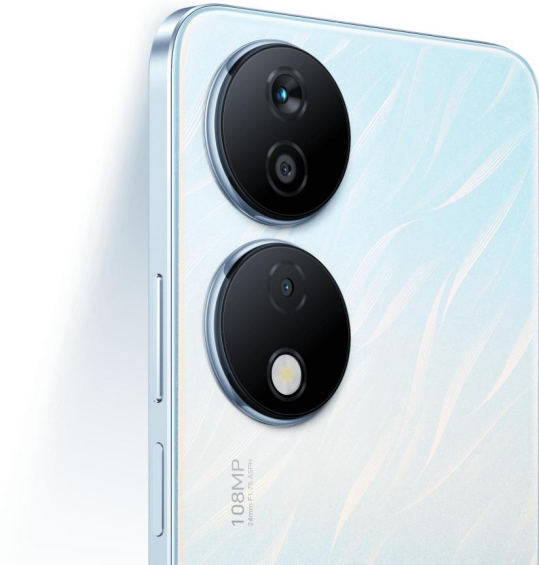
200% volume smartphones promise sound that cuts through busy streets, crowded buses, and loud offices. Brands now promote louder speakers as a key selling point, especially for users who stream videos, play mobile games, or work on the go. These phones claim to double perceived loudness compared with regular models, while keeping voices clear and music detailed. Users who often miss notifications or struggle to hear calls pay close attention to this feature. Understanding what actually powers “200% volume” helps you choose a phone that truly fits your lifestyle.
“On the HONOR X7b, the ‘200% volume’ feature does not literally mean the phone outputs exactly twice the physical sound power of other devices. Instead, manufacturers use this term to show that the speaker system, tuning, and amplification can reach much higher loudness than previous models or standard modes. On the HONOR X7b, a special ‘200%’ or ‘ultra volume’ mode boosts maximum output and adjusts sound profiles. This helps audio stay clear at higher levels, not just louder. The feature aims to raise perceived volume significantly, especially for voices, alarms, and key media sounds.”
200% volume smartphones often use larger speaker units than typical models, along with high-amplitude drivers. These drivers move more air, which naturally produces stronger sound pressure and fuller audio. Engineers design wider speaker cavities and optimized grills to reduce blockage and distortion at high volume. Some phones add dedicated sound chambers that act like tiny speaker boxes. Together, these changes give the device more physical power to push sound out. The result is louder, more dynamic audio that still feels stable and less likely to crackle.
Many 200% volume smartphones rely on AI sound optimization to manage strong output without damaging quality. The phone’s software listens to the audio signal and adjusts frequencies in real time. It can boost vocals, reduce harsh treble, and protect the speaker from clipping when users raise the volume. Smart audio enhancement also adapts to content type. Movies, games, voice calls, and music get tailored sound profiles. This intelligent tuning helps maintain clarity, even at extreme loudness, so users hear important details rather than messy, distorted noise.
To support 200% volume marketing claims, many phones include stereo speakers placed at the top and bottom of the device. These speakers create left and right channels that widen the soundstage. Some models add virtual surround sound using software, which simulates audio coming from more directions. This gives movies and games more depth, especially when you hold the phone in landscape mode. The stereo design also spreads loudness more evenly, so the phone sounds powerful without blasting from a single point and becoming uncomfortable to hear.
People often struggle to hear phones in markets, trains, or busy workplaces. 200% volume smartphones directly tackle this problem. Louder earpieces and speakers help voices cut through background noise during calls and video chats. Notifications and alarms also become harder to miss when the environment gets chaotic. Media like podcasts and news videos remain understandable without constant rewinding or cupping the phone. For many users, this reliability in difficult conditions is more valuable than small design upgrades, because it directly affects daily communication and productivity.
Gamers and heavy video streamers benefit a lot from stronger speakers. 200% volume smartphones can fill a small room with clear sound, making effects, dialogue, and music more engaging. You can enjoy short videos, live streams, or quick game sessions without reaching for headphones every time. Louder, richer audio also helps reveal directional cues in shooters and action games when developers use stereo sound. While headphones still offer the best immersion, upgraded phone speakers give users more freedom, especially when they want to share content with friends.
For people with mild hearing difficulties, louder smartphones can make everyday tasks easier. 200% volume modes raise call volume, ringtones, and media levels beyond typical limits. This helps users who often miss calls or struggle to hear family members during video chats. Stronger speakers also support accessibility features, such as screen readers and voice assistants, making them easier to follow. When combined with hearing aid compatibility and clear audio tuning, high-volume phones become practical accessibility tools, not just entertainment devices, and improve independence for many users.
200% volume smartphones stand out by combining stronger hardware, smarter software, and better speaker layouts to deliver louder, clearer sound. Users gain more reliable calls, richer media, and improved accessibility in noisy surroundings. However, real benefits depend on careful tuning, not just marketing labels, and users must balance loudness with comfort and hearing safety. When choosing your next phone, listen to speaker tests, read user feedback, and consider where you use your device most. A well-designed high-volume smartphone can genuinely upgrade everyday mobile audio.