AI smartphones now handle more work than many laptops once did. People rely on them to plan days, manage projects, entertain, and even translate conversations on the spot. The latest devices use powerful on‑device AI chips, context‑aware assistants, and smarter apps that react in real time. Instead of just running programs, phones now learn patterns, predict needs, and automate routine steps. This shift makes everyday tasks faster, more personal, and less stressful, while still keeping performance, privacy, and battery life under control.
Smart assistants in 2026, like those featured on the HONOR X8d, no longer follow only simple commands. They understand context, past behavior, and location, then act on your behalf. You can ask one question, and the phone checks calendars, traffic, and travel apps before suggesting the best time to leave. It auto-drafts replies, organizes notes, and sets reminders based on messages you receive. Users create routines that trigger actions when they arrive home or start work. This level of automation cuts manual steps and keeps focus on real priorities.
AI smartphones now remove many language and communication barriers. Real‑time translation lets two people speak different languages while the phone delivers accurate, natural‑sounding speech both ways. Meetings become easier thanks to live transcription that captures every word and turns it into searchable notes. Call summaries highlight key points and action items. Voice messages convert to text for quick scans. These tools help travelers, remote workers, and global teams stay aligned without extra software. Communication becomes faster, clearer, and much more inclusive.
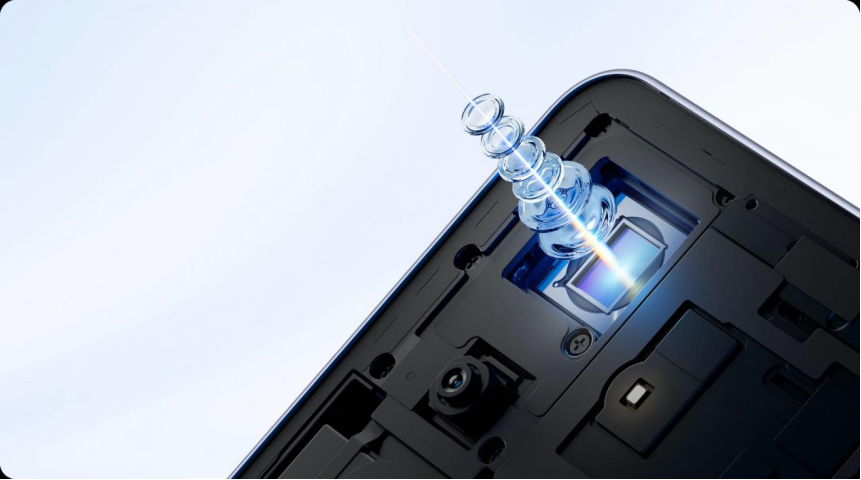
Modern AI cameras analyze each frame in milliseconds. The phone detects scenes, lighting, and faces, then picks the best settings automatically. It sharpens low‑light shots, removes motion blur, and balances skin tones without extra effort. Users can switch to portrait, night, or macro modes, and the phone optimizes details instantly. Video gets smoother through AI stabilization and smart HDR, while auto‑framing keeps subjects centered. People capture professional‑looking photos and clips for social media or work without carrying a dedicated camera or editing skills.
AI smartphones have become portable studios for creators and regular users. Built‑in tools trim videos, add captions, remove background noise, and adjust color with one tap. Writers use AI to outline posts, fix grammar, or adapt tone while still keeping their own voice. Social media apps suggest hooks, titles, and hashtags based on the content. Photo editing becomes simpler with object removal, sky replacement, and style filters powered by AI. All of this happens quickly on‑device, so people publish polished content anywhere.
AI now manages smartphone performance almost like a smart operating system assistant. It learns which apps you open most, when you use them, and how much power they need. The phone keeps those apps ready in memory and pauses others in the background to free resources. Game mode boosts graphics while keeping frame rates stable. Work mode prioritizes productivity apps and notifications. This smart allocation helps even mid‑range phones feel fast, reduces lag, and keeps the overall experience smooth throughout the day.
Battery anxiety has dropped because AI manages power more intelligently. Phones learn daily habits, such as commute times and bedtime, then adjust performance and brightness automatically. Heavy tasks run at full speed when you need them, but the phone slows background activity when the screen is off. Adaptive charging stops the battery from staying at 100% overnight by holding at a lower level, then topping up before you wake. Location‑aware power saving reduces drain in low‑signal areas, stretching battery life further.

AI smartphones now feel more like personal digital partners. They learn favorite apps, routes, and content, then surface the right tools at the right time. Your phone might suggest playlists when you start driving or open a note‑taking app when a meeting begins. Predictive text and smart replies adapt to your writing style and common phrases. Home screens rearrange shortcuts based on daily patterns. Instead of constant manual searching and tapping, people see relevant options appear before they even think to ask.
Many AI features now run directly on the phone, not only in the cloud. Dedicated neural chips process images, voice commands, and suggestions locally. This design brings faster responses, even without a strong network connection, and reduces dependence on remote servers. Sensitive data, such as health metrics, voice profiles, and personal routines, stays on the device by default. Only anonymized or optional data goes online. Users gain the benefits of smart features while keeping tighter control over privacy and security.
AI smartphones in 2026 turn everyday devices into powerful, personal tools that quietly handle complex tasks. They automate planning, boost productivity, and remove communication barriers with smarter assistants and real‑time language tools. Cameras and creative apps help anyone capture and publish polished content with minimal effort. Behind the scenes, AI manages performance and battery while learning preferences to offer timely suggestions. On‑device processing keeps experiences fast and more private. As these features grow, smartphones feel less like gadgets and more like trusted digital partners.